
- Beauty injections19
- Beauty injections
- Aesthetic medicine consultation
- Biomodelling Profhilo
- Biomodelling Profhilo Structura
- Biorevitalisation
- Biostimulation Radiesse
- Biostimulation Sculptra
- Biostimulation Sunekos Body
- Botulinum injections
- Cellulite treatment Sunekos Cell 15
- Dissolving injectable fillers
- Injectable fillers
- Injections for excessive sweating
- Mesobotox
- Mesotherapy
- Plasma therapy
- Plasma therapy for hair
- Polynucleotide biostimulation
- Radiesse hybrid biostimulation
- Redermalisation
- Body treatments10
- Body treatments
- Biostimulation Sunekos Body
- Cellulite treatment Sunekos Cell 15
- Chemical peeling of the back
- Cryolipolysis fat cell freezing
- Cryolipolysis for the chin
- Depigmentation treatment of the intimate area
- Electromagnetic muscle stimulation EMLS
- Injections for excessive sweating
- RF lifting
- Shockwave therapy
- Facial treatments21
- Aesthetics and laser treatment
- Acne and problem skin6
- Dry, sensitive and red skin9
- Dry, sensitive and red skin
- BioRePeel needle-free biorevitalisation
- Biorevitalisation
- Brightening light acid peel
- Chemical peeling
- Express brightening treatment
- Light therapy with chemical peeling
- Men’s skincare
- Mesoestetic Age Element rejuvenating facial treatment with massage
- Physiodermie facial treatment with massage
- For ageing skin11
- For ageing skin
- BioRePeel needle-free biorevitalisation
- Chemical peeling
- Express brightening treatment
- Face and decollete massage
- Men’s skincare
- Mesoestetic Age Element rejuvenating facial treatment with massage
- Microneedling collagen therapy with chemical peeling
- OxyGeneo injection-free rejuvenation
- Physiodermie anti-ageing facial treatment
- RF lifting
- Skinretin Xpert retinoid treatment with exosomes
- Pigmentation spots and uneven skin tone5
- Relaxing6
- Hair treatments2
- Intimate area procedures3
- IPL and laser procedures14
- IPL and laser procedures
- Birthmark and other skin lesions removal with a laser
- Carbon peeling with laser
- CO₂ laser rejuvenation
- Fractional laser resurfacing
- IPL acne treatment
- IPL photorejuvenation
- Laser removal of warts and corns
- Laser tattoo and permanent makeup removal
- Photo-fractional laser rejuvenation
- Photopeel
- Pigment spot removal
- Removal of capillaries and redness
- Scar removal with laser
- Vaginal laser therapy
- Laser epilation4
- Microneedling3
- Plastic surgery20
- Aesthetics and laser treatment
- Appointments4
- Operations and procedures16
- Operations and procedures
- Abdominoplasty
- Benign breast tumor removal
- Breast asymmetry correction surgery
- Breast augmentation
- Breast implant removal
- Breast lift
- Breast nipple correction
- Breast reduction
- Eyelid plastic surgery or blepharoplasty
- Gastric Bypass Surgery
- Gastric sleeve operation or sleeve gastrectomy
- Gynecomastia - Breast reduction for men
- Lip plastic surgery
- Mini bypass surgery
- Minor eye area surgery
- Removal of supernumerary breast tissue
IPL photorejuvenation
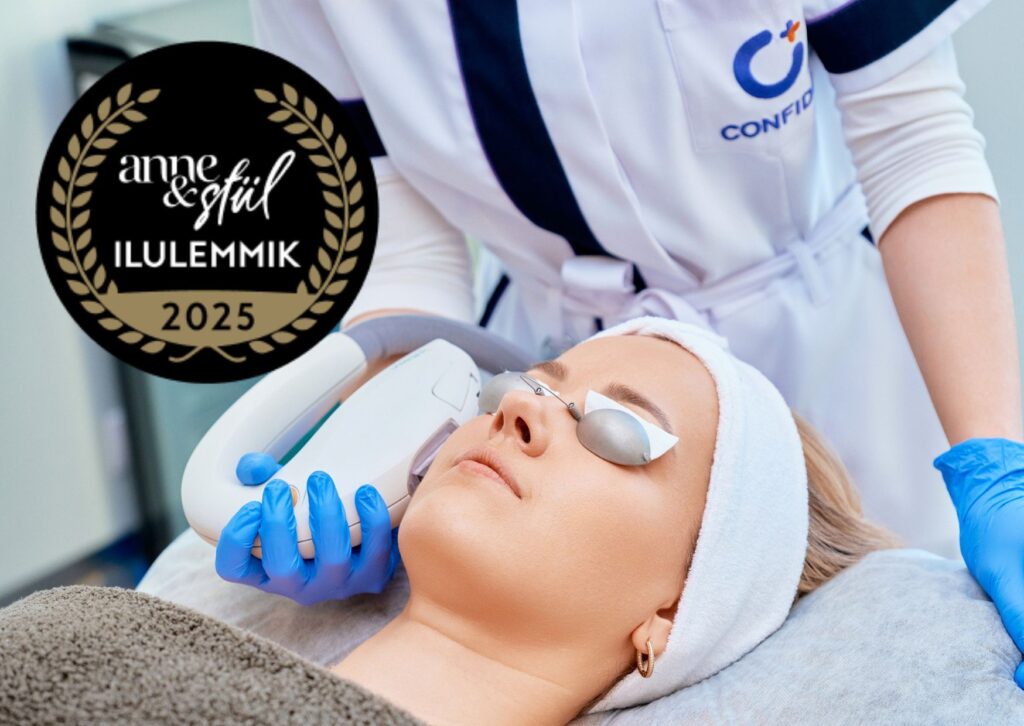
Look for appointment timesIPL photorejuvenation is an intense pulsed light (IPL) treatment used to improve overall skin quality, reduce signs of photoaging, even out skin tone, and address sun-induced skin damage. During the procedure, pulses of broad-spectrum light stimulate collagen and elastin production in the skin, which may help improve skin texture, soften fine lines, and create a more even complexion. The treatment can also help reduce inflammatory skin changes, facial redness, pigmentation irregularities, enlarged pores, and improve the appearance of skin affected by acne.
IPL photorejuvenation may be suitable for:
- uneven skin tone
- sun-induced pigmentation
- dull complexion
- superficial dilated blood vessels and facial redness
- signs of skin ageing, such as fine lines
- reduced skin elasticity
- enlarged pores
The procedure is most commonly performed on the face, but it can also be used on the neck, décolleté, and the backs of the hands – areas that receive significant cumulative UV exposure and often show signs of ageing earlier.
IPL photorejuvenation does not alter the skin’s structure or stop the natural ageing process. However, it may improve the overall quality and appearance of the skin. Many patients notice the first changes within a few weeks after the initial treatment. For more pronounced and longer-lasting results, a treatment course of 2–3 sessions, spaced at least one month apart, is usually recommended. Final results develop gradually over the following months as new collagen is produced.
Before treatment, we recommend consulting a specialist to determine whether IPL photorejuvenation is appropriate for your skin concerns. Not all skin conditions can be treated with IPL. Depending on the concern, laser treatment, a chemical peel, microneedling, or a combination of these methods may provide a more suitable outcome. During the consultation, the specialist evaluates your skin condition and individual needs, identifies possible contraindications, discusses realistic treatment expectations, explains the procedure in detail, and provides instructions for appropriate post-treatment skin care at home. An individualised treatment plan helps ensure the safest and most appropriate approach. If the scheduled procedure cannot be performed due to reasons related to the patient, the consultation fee remains payable.
How does the photorejuvenation procedure work?
Unlike lasers, which emit a single wavelength of light, IPL uses broad-spectrum pulsed light with multiple wavelengths. This makes it possible to address several skin concerns during the same treatment session. IPL photorejuvenation is performed using the Lumenis M22 system in Tallinn and the DEKA Luxea PLUS system in Tartu. These devices use interchangeable optical filters that allow the specialist to select the most appropriate light spectrum for the treatment area and the specific skin concern. This enables the treatment to be tailored to the condition of the skin and the patient’s individual needs.
Recovery is generally quick, depending on the treatment settings and individual skin sensitivity, and significant adverse effects are uncommon. IPL photorejuvenation is suitable for many skin types, although, like any medical procedure, it has contraindications that should be assessed before treatment.
- Oncological diseases, epilepsy, melasma, keloid scars, active inflammations and herpes
- Tanned skin – avoid sunbathing for at least 3-4 weeks before the treatment, including going to the solarium and using self-tan products
- The treatment is not carried out during an antibiotic course, and 3-4 weeks must have passed since the last time you took the medication
- Pregnancy and breastfeeding
- Tattoos in the treatment area
- The treatment is not performed on persons under the age of 18 without the consent of a parent or guardian
Contraindications may be relative and the final decision on the treatment will be made by the specialist during the personal examination and consultation before the treatment.
- Avoid tanning for at least 3-4 weeks before the treatment, including visiting the solarium (risk of pigmentation).
- Avoid the use of self-tanning products 3-4 weeks before and after the treatment.
- Stop using products containing retinol or similar active ingredients 3 days before the treatment. Once the skin has recovered from the treatment, you can resume using them.
- At least 6 months should have passed since taking medicines containing isotretinoin.
- Inform the specialist about the medicines you are taking before coming for the treatment.
- Alcohol should not be consumed for at least 1 day after the treatment.
- Avoid intensive workouts for 2-7 days after the treatment, depending on skin sensitivity.
- Avoid saunas and hot baths for at least 2 weeks after the treatment.
- Avoid tanning for at least 3-4 weeks after the treatment, use SPF 50 sun cream for at least two weeks; to extend the result, SPF sunscreen is recommended all year round.
- Leave a gap of at least 2 weeks before other facial treatments.
- Make-up can usually be applied immediately after the treatment.
- Redness, flushing and swelling may occur for about 1-3 days after the treatment. In rare cases, bruising, crusting or changes in skin texture may occur. This reaction is usually temporary.
- After the treatment, the pigmentation may temporarily darken (a process of pigment shedding) and pigment crusts may form on the skin, which will naturally disappear in 7-10 days. Do not remove them yourself – there is a risk of damaging the skin!
Service providers
Elza Pilt
Aesthetic clinic nurse
Gerli Mering
Aesthetic clinic nurse, Cosmetologist
Heleia Nestal Zibo
Doctor at the Aesthetics Clinic / Facial and maxillofacial surgeon
Jana Korenevski
Aesthetic clinic nurse, Cosmetologist
Jekaterina Tšernitskaja
Aesthetic clinic nurse
Jekaterina Voronjuk
Aesthetic clinic nurse
Marie Anett Meier
General Practitioner
Viktoria Totšonaja-Gorbushina
Midwife/ Nurse at the Aesthetics ClinicWe provide this service
Price
IPL Photorejuvenation consultation
Maxillofacial surgeon appointment
IPL Photorejuvenation on the face
IPL Photorejuvenation on the face and neck
IPL Photorejuvenation on the face, neck and décolleté
IPL Photorejuvenation on the hands
IPL Photorejuvenation on the neck
IPL Photorejuvenation on the décolleté
IPL Photorejuvenation on the neck and décolleté
IPL Photorejuvenation on the face and décolleté
We have several payment options. Read more HERE.
BOOKING
IPL photorejuvenation